

8 Simple Tips for Finding a Job Abroad
Finding a job abroad seems intimidating initially, but the entire job search process is not a Herculean task. As compared to searching a job in your home country, finding a job in a foreign destination involves a few more steps to cross that hurdle.
Instead of spending several hours on the Internet to get every possible tip for landing your dream job, here are the 8 simple, yet the most important tips that are likely to pay off sooner or later in your job search process.
1. Avoid Stress

The first important tip to find a job is to avoid panic and stress. When you plan to work abroad, don’t fret with the thought of experiencing a new culture and stop thinking about the possible opportunities in your home country that you might miss. It is vital to remain focused, patient and determined. Remember, every experience teaches and prepares you well for an ideal career.
2. Develop a Job-Search Strategy

A focused job-search strategy is imperative to keep going in the right direction. The next step is to make a proper plan to avoid missing any employment opportunity overseas. An efficient job-search strategy involves analyzing what you want to do, the type of job roles you want, and determining the type of companies (private/public/global/domestic firms) and locations, you are interested in living and working in. Clarity on the type of work, location and employer, you are looking for help you to remain on the right track during the job search and saves a lot of your time.
3. Analyze the Job Market
Research is another important step to dive into the competitive job market abroad. Analyzing the employment market is half the work done for a job seeker. Before applying for any job, do proper research to get a general idea about the type of jobs available in the international job market, salary offered for your job role, certifications/qualifications required, and other professional skills required. The more research you do, the better prepared you are for your job hunt.
4. Develop Language Skills

When you are interested in living and working abroad, building language skills becomes vital. Working abroad not only involves doing the daily tasks, but also meeting and interacting with people from the different culture. For instance, the knowledge of Arabic makes it easier for you to find a job in the Gulf countries. Hence, proficiency in the foreign language gives you a competitive advantage.
5. Build Network

Nothing works better than career networking when finding a job opportunity, either in your home country or abroad. Hence, building your network is one of the smartest ways to explore new career opportunities in your area of interest. Get in touch with other expatriates working in your preferred work location; connect with college friends, family, and join online communities to expand your existing network. Chances are that you may find someone already working at your dream company abroad who can refer you a job lead! There are easier ways to connect with people-locally or internationally, by using emails, online chats and social media.
6. Pay Attention to Your Resume
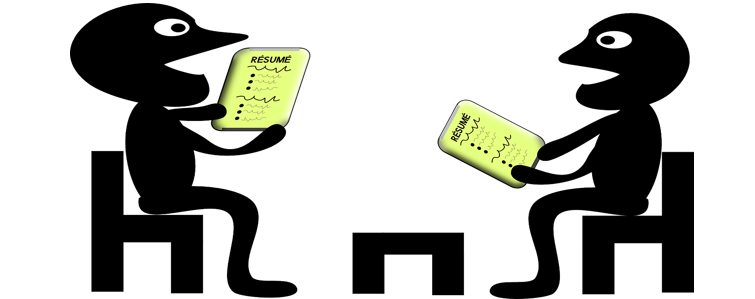
Resume plays a crucial role in job search as a candidate is shortlisted based on the information given in it. Hence, a well-written resume is mandatory to give that extra effort in your job hunt. An effective resume must be created with proper focus on its length, content, and formatting. To call attention of the hiring manager to important details such as accomplishments, experience and skills, it is useful to highlight them with bullets. Overall, your purpose should be to write a resume that generates results!
7. Prepare for Job Interview

In the case of job search abroad, a majority of employers conduct initial job interviews through a non-personal medium like telephone or video conferencing as a process of screening. Hence, you should practice mock interviews, develop language skills, and remain confident to face any type of interview method. However, whatever the medium, you should do proper research about the job role and company to answer any question.
8. Follow-Up

Finding a job is not limited to applying for it and appearing for an interview. You need to do a follow-up. After all, you would not want any potential job offer to slip through your hands. A follow-up includes enquiring about the status of the job opening by making phone calls or sending e-mails to the hiring managers. However, it is vital to know the difference between following up and stalking an employer. Never forget to send a polite “Thank You” note after a job interview.
Image Credit: pixabay
Related articles
How to evaluate a company before you even apply?
Most jobseekers spend their energy getting companies to notice them. Fewer spend time asking whether the company deserves their application in the first place.In a market with thou...
Read more
Is your notice period hurting your job search?
You have the right experience.The job matches your skills.The interviewer is interested.Then comes one question:“How soon can you join?”You say two or three months, and suddenly th...
Read more
What should you do if your job search isn't working?
You have applied for dozens of jobs.Your CV is ready. Your profile is updated. You keep finding new openings and applying.But the interviews are not coming.Before sending another a...
Read more