
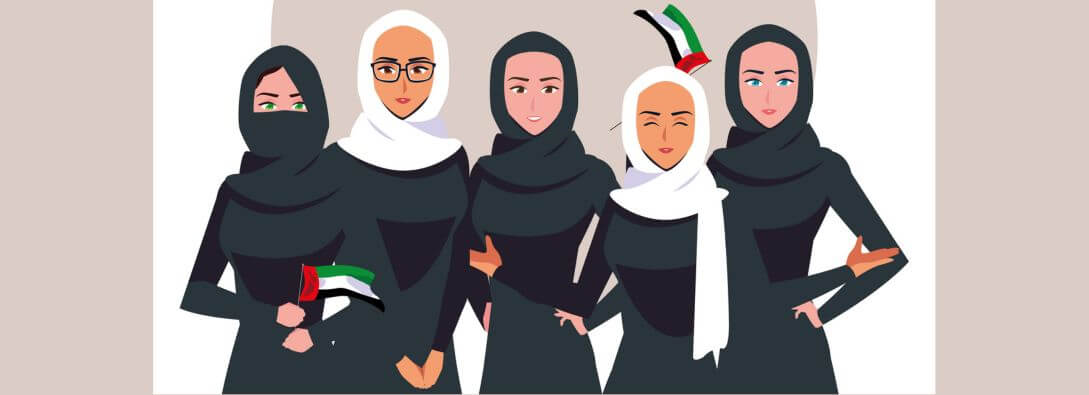
UAE's Leadership in Gender Equality: A Model for the GCC and Beyond
Factors Contributing to Gender Equality in the UAE
1. Strategic Policy Initiatives
The UAE government has implemented a series of policies aimed at promoting gender equality. The introduction of the Gender Balance Council in 2015 was a pivotal move. This council's mission is to ensure that women have equal opportunities in leadership and decision-making roles. Additionally, the UAE has enacted laws such as the Federal Decree-Law No. 6 of 2020, which guarantees equal pay for men and women in the same role, reinforcing its commitment to economic fairness.
2. Strong Representation in Leadership
Women in the UAE hold influential positions across various sectors, from government to business. The UAE appointed its first female minister in 2004, and since then, women's representation has continued to grow. The current leadership includes prominent female figures in key governmental roles, such as the Minister of State for Advanced Sciences and the Minister of State for International Cooperation. These roles not only showcase women's capabilities but also set a precedent for future generations.
3. Emphasis on Education and Professional Development
Education is a cornerstone of the UAE’s approach to gender equality. The country has invested heavily in women's education, with women constituting a significant portion of university graduates. Programs aimed at nurturing female talent, such as scholarships and mentorship initiatives, further support women's entry and advancement in various professions. The emphasis on STEM (Science, Technology, Engineering, and Mathematics) fields is particularly notable, with numerous initiatives designed to encourage young women to pursue careers in these traditionally male-dominated areas.
4. Supportive Work Environment
The UAE's labor laws provide a supportive framework for working women. Policies related to maternity leave, flexible working hours, and childcare facilities are designed to help women balance their professional and personal lives. Furthermore, there is a growing recognition of the need for workplace diversity, with many organizations actively promoting gender-inclusive practices and creating environments that support the career growth of women.
Lessons for the GCC and International Community
1. Policy and Legal Frameworks
Other GCC countries can benefit from adopting similar policies that promote gender equality. Implementing legal measures to ensure equal pay and opportunities, alongside creating councils or ministries dedicated to gender balance, can drive substantial progress. The success of such initiatives in the UAE underscores the importance of a robust legal framework in achieving gender parity.
2. Promoting Female Leadership
Encouraging women to take on leadership roles is crucial. The UAE’s example shows that having women in prominent positions can create role models and inspire other women to aspire to leadership. GCC countries should consider policies that promote female representation in executive and decision-making roles, ensuring that women’s voices are heard at all levels.
3. Investing in Education and Professional Development
The UAE’s focus on education as a pathway to empowerment is a lesson for other nations. Investing in women’s education, particularly in STEM fields, and providing professional development opportunities are essential for building a skilled and confident female workforce. Such investments not only benefit women but also contribute to the overall economic growth and innovation of a country.
4. Creating Supportive Work Environments
A supportive work environment is vital for women’s participation in the workforce. GCC countries and international organizations should focus on developing policies that offer flexible working conditions, adequate maternity leave, and accessible childcare options. By addressing these practical needs, countries can make it easier for women to enter and remain in the workforce.
Conclusion
The UAE's progress in gender equality serves as an inspiring example for the GCC and the global community. By adopting policies that promote equal opportunities, supporting female leadership, investing in education, and creating supportive work environments, other nations can work towards achieving similar success. As the UAE continues to lead by example, it sets a high standard for gender equality, demonstrating that with strategic initiatives and a commitment to progress, meaningful change is not only possible but achievable.
Related articles
flydubai organises UAE National Careers Open Day
flydubai welcomed more than 500 UAE nationals from all seven emirates to its UAE National Careers Open Day at the flydubai Campus in Dubai, reflecting strong interest in career opp...
Read more
flydubai to host UAE National Careers Open Day on August 16
flydubai will host its UAE National Careers Open Day on 16th August at the flydubai Campus, inviting UAE nationals to explore rewarding careers and learn more about the carrier’s t...
Read more
flydubai invites Emirati applicants for new Flight Dispatcher Programme
flydubai has officially announced that applications are now open for its newly launched Flight Dispatcher Programme for Emirati talent.Following the Memorandum of Understanding (Mo...
Read more