

How to ask smart questions at the end of an interview
Asking smart questions is not about sounding clever — it’s about showing genuine interest and thoughtful judgment.
Table of contents
- Why the end of interview questions matter
- What makes a question “smart”
- Examples of strong questions to ask
- Questions best avoided at this stage
Why the end of interview questions matter
When interviewers ask, “Do you have any questions for us?”, they are assessing more than curiosity. This moment helps them understand:
- How seriously you are considering the role
- Whether you understand the role beyond the surface
- How you think about growth, expectations, and collaboration
Saying “No questions” can unintentionally signal disengagement, even if the interview went well.
What makes a question “smart”
Smart questions usually share three qualities:
- Relevance: They connect directly to the role, team, or organization
- Insight: They show you’ve thought beyond the job description
- Professional intent: They help you understand how success is defined
A good question feels like a continuation of the conversation, not a sudden checklist.
Examples of strong questions to ask
Here are examples of questions that tend to leave a positive impression:
- “What does success look like in this role in the first six months?”
- “How does this team typically collaborate with other functions?”
- “What are the main challenges someone in this role would face early on?”
- “How do feedback and performance reviews usually work here?”
These questions help you learn while also signaling seriousness and long-term thinking.
Questions best avoided at this stage
Some questions are better saved for later stages or after an offer:
- Questions focused only on salary or benefits
- Questions that could have been answered by reading the job description
- Questions that suggest uncertainty about the role itself
Timing matters. Asking the right question at the wrong moment can dilute its impact.
Looking ahead
Asking smart questions is part of evaluating the role — not just being evaluated. When done thoughtfully, it shows confidence, clarity, and readiness to engage professionally.
If you’re preparing for interviews and exploring roles where expectations and growth paths are clearly defined, Naukrigulf can help you discover opportunities that align with your goals.
Related articles
Virtual interview tips that improve success rates
Virtual interviews have become a standard part of hiring processes. While the format may feel more convenient, it introduces a different set of challenges that can affect how you a...
Read more
How to ace both technical and behavioral interviews
Interviews are rarely one-size-fits-all. Many professionals are comfortable with either technical discussions or behavioural conversations — but struggle when both appear in the sa...
Read more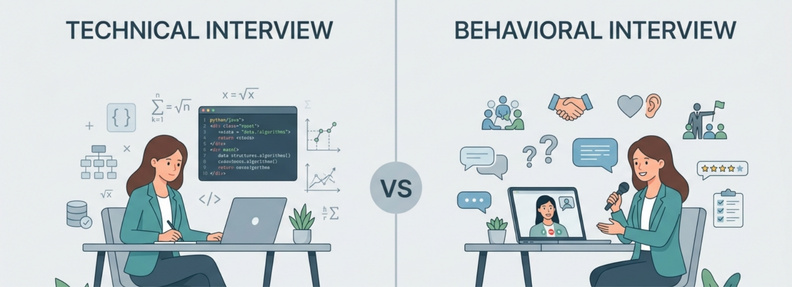
Managing interview anxiety professionally
Interview anxiety is more common than most professionals admit. Even well-prepared candidates can feel nervous when stakes are high. The key is not to eliminate anxiety completely,...
Read more